How Much Does Electrical Panel Replacement Cost in Washington?
If you’re asking how much does it cost to replace an electrical panel, a few thousand dollars is a reasonable place to start planning. Current 2026 national estimates put many panel upgrades between about $800 and $4,000, with a typical 200-amp upgrade often landing around $1,300 to $3,000.
That doesn’t mean your Washington home will fall neatly inside that range. The final price can change once permits, existing wiring, service equipment, utility work, and code requirements enter the picture. At Rhema Electric, we evaluate the system first and give homeowners a detailed estimate before any work begins.
Electrical Panel Replacement Costs at a Glance
- Many 200-amp panel upgrades fall around $1,300 to $3,000 nationally, but the actual cost depends on the work your home needs.
- A simple panel replacement usually costs less than a full electrical service upgrade.
- Washington requires permits for most electrical replacement and upgrade work.
- Wiring repairs, meter work, grounding changes, or utility coordination can raise the total cost.
- At Rhema Electric, most of our panel upgrades are completed in one day once the job is ready for installation.
How Much Does It Cost to Replace an Electrical Panel?
The cost depends heavily on the size of the panel and how much work surrounds it.
Here are current national planning ranges for common residential panel sizes:
| Panel size | Typical panel + installation range |
| 100 amps | $800 to $1,500 |
| 200 amps | $1,300 to $3,000 |
| 300 amps | $1,800 to $3,500 |
| 400 amps | $2,000 to $4,000 |
These numbers are useful for early budgeting, but they are not a Rhema Electric quote or a guaranteed Washington price. They come from 2026 national cost data, and local labor, permit rules, utility requirements, and the condition of your current system can move the price up or down.
The breaker box itself is only part of what you’re paying for. Labor often takes a bigger share, especially when the electrician needs to change wiring, service equipment, grounding, or other parts of the setup.
What Makes Electrical Panel Replacement Cost More?
Two homes can both need a new 200-amp panel and still receive very different estimates. That isn’t strange. The work behind the wall and around the service can be completely different.
Does Panel Size Affect the Price?
Yes. In general, larger panels cost more because the equipment is larger and the electrical system must safely support the added capacity.
But you don’t want to choose amperage by looking at a price chart alone. An electrician needs to consider how much electricity your home actually uses and what you plan to add later.
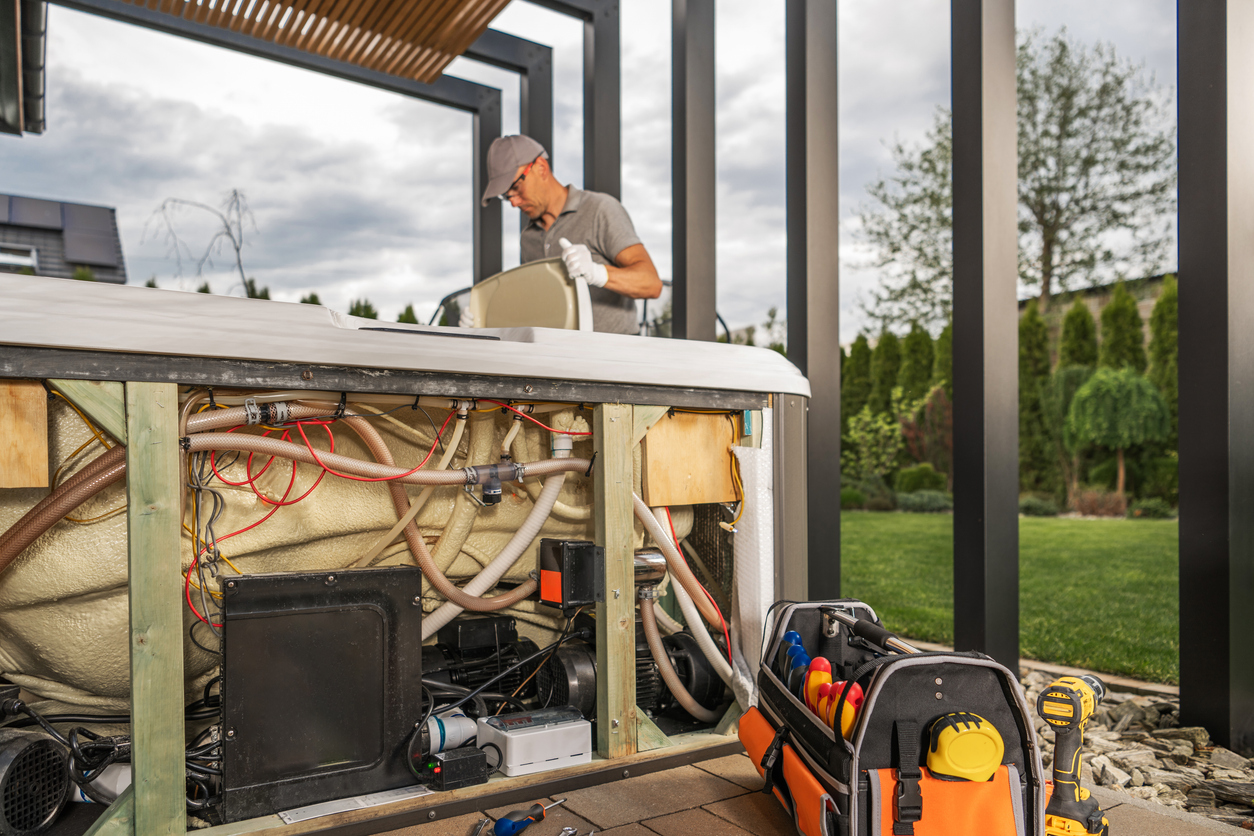
A higher-capacity panel may make sense if you’re planning things like an EV charger, electric water heater, heat pump, hot tub, major kitchen remodel, or several new circuits. We list new EV chargers and other high-demand equipment among the common reasons homeowners consider a panel upgrade.
Does Existing Wiring Affect the Cost?
It can.
Replacing the panel doesn’t automatically mean rewiring the whole house. In many cases, existing circuits can stay in place if they are safe and suitable for the new setup.
But once the electrician opens the system up, they may find damaged conductors, grounding problems, incorrect breaker connections, or older work that needs to be corrected. Those repairs add labor and materials.
That’s one reason an online price calculator can only take you so far. It hasn’t seen your house.
How Do Washington Permits and Code Requirements Affect the Price?
Most electrical replacement and upgrade work in Washington requires a permit.
Washington Labor & Industries says a permit is required for most electrical work, including repairs and replacements. If you hire an electrical contractor, that contractor must get the permit for the work they perform. A contractor shouldn’t ask you to buy the permit in your own name.
Where the permit comes from depends on where you live. L&I handles electrical permits and inspections in most of Washington, while some cities and certain utility areas manage their own programs.
That means permit fees are not one flat number for every homeowner in Burlington, Mount Vernon, Bellingham, Everett, or another Northwest Washington community.
What Else Can Code Requirements Add to the Job?
The electrician may need to bring parts of the new installation up to the code that applies at the time of the upgrade.
That could mean work on grounding and bonding, service equipment, breaker protection, clearances, or connections around the new panel. The exact changes depend on the existing system.
A permit and inspection add steps to the project, but they are there for a reason. A new panel is carrying power through nearly every part of your house. This is one place where guessing your way through the job is a bad idea.
Is Replacing a Panel the Same as Upgrading It?
Not always.
A panel replacement may simply mean swapping an old or damaged panel for a new one with similar electrical capacity. The home still gets newer equipment, but the amount of power available may stay roughly the same.
A panel upgrade usually involves increasing what the electrical system can support. A common example is moving a home from 100-amp service to 200 amps.
And that’s where the job can get bigger.
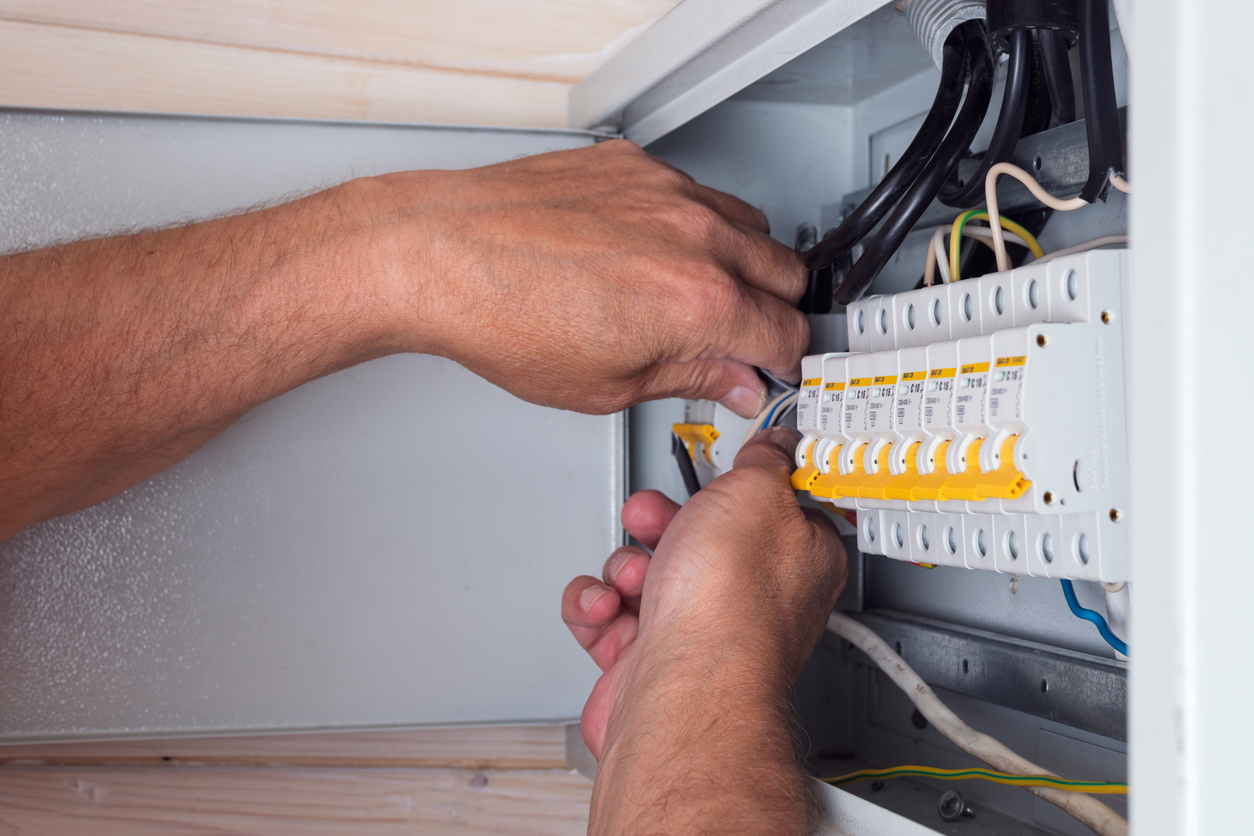
If you increase service capacity, the electrician may need to look beyond the panel itself. The meter equipment, service entrance wiring, grounding, and utility connection may also need changes. A 200-amp service upgrade can involve replacing the meter socket and service wiring as well as the panel.
So when you ask how much to upgrade electrical panel capacity, make sure the quote tells you exactly what “upgrade” includes.
How Do You Know It’s Time to Replace Your Electrical Panel?
Age alone doesn’t decide it. Condition and capacity matter more.
We recommend having the panel checked when you notice issues such as frequent breaker trips, flickering lights, a warm panel, buzzing sounds, burning smells, rust, or corrosion. A panel may also need attention when the home no longer has enough electrical capacity for new equipment.
If your home still uses a fuse box, that is another good reason to have the system evaluated.
Do Frequent Tripped Breakers Mean You Need a New Panel?
Not automatically.
A single breaker that trips can point to an overloaded circuit, short circuit, ground fault, or even a bad breaker. It doesn’t always mean the entire panel is failing.
But repeated trips deserve attention, especially when they happen across several circuits or show up with dimming lights, heat, buzzing, or a burning smell.
Our guide on Tripped Circuit Breaker? Here’s What It’s Trying to Tell You explains that repeated breaker trips can point to a circuit problem, faulty breaker, wiring issue, or a panel that is struggling with the home’s electrical load.
Resetting the same breaker every few days isn’t really fixing anything.
Should You Upgrade to a 200-Amp Electrical Panel?
Maybe. A 200-amp panel fits many modern homes, but that doesn’t mean every house needs one.
The better question is whether your current electrical service can handle what you use now and what you’re likely to add.
You may need more capacity if you’re planning an EV charger, heat pump, electric water heater, hot tub, large remodel, home addition, workshop equipment, or several dedicated circuits.
Our guide to what uses the most electricity in your home points out that high-demand equipment such as heat pumps and EV chargers can put added pressure on an older or undersized electrical system.
Does a Full Panel Mean You Need More Amps?
No. This is an easy one to mix up.
A panel can run out of physical breaker spaces without the home actually running out of electrical capacity. In some homes, a properly planned subpanel may solve the space problem.
A true service upgrade is different. That becomes a conversation when the home’s electrical demand is pushing beyond what the current service can safely support.
An electrician can perform a load calculation and tell you which problem you actually have. That beats paying for a bigger service you didn’t need.
How Long Does an Electrical Panel Replacement Take?
The physical replacement can often be completed in a day.
At Rhema Electric, most of our panel upgrades are finished in one day, and our team works with the utility company when a power shutoff is required.
The full project takes longer than the hours spent working on the panel, though.
Before installation day, there may be a site visit, permit application, equipment ordering, and utility scheduling. After the work, the new installation may need inspection and final approval.
How Long Will Your Power Be Off?
Expect the power to be off for part of the work, but there is no useful one-size-fits-all number.
The outage depends on what is being replaced and whether the utility has to disconnect or reconnect service. A simple panel replacement and a full service upgrade are very different jobs.
Your electrician should tell you what to expect before the scheduled date so you can plan around the outage.
What Should Washington Homeowners Expect During a Panel Upgrade?
The process usually starts with an inspection of what you already have.
- Electrical assessment: The electrician checks the panel, available capacity, wiring, service equipment, and what you want to add later.
- Written estimate: You get a clear scope of work, price, and expected timeline before work starts.
- Permits and utility planning: The contractor handles the electrical permit and coordinates any required service shutoff.
- Installation: The old equipment is removed and the new panel or service equipment is installed.
- Testing and inspection: The new setup is checked, tested, and inspected as required before the project is closed out.
At Rhema, we start with a site visit, explain the homeowner’s options, and provide a detailed estimate before beginning a panel upgrade.
This way, you know what the work involves, what it will cost, and what to expect before the project begins.
Is an Electrical Panel Upgrade Worth the Cost?
It can be, especially when the current panel is damaged, undersized, or stopping you from making another upgrade you actually want.
A new panel can give your home enough capacity for its electrical load, replace worn or outdated equipment, and give you space for planned circuits. It also gives the electrician a chance to correct problems tied directly to the installation.
But don’t expect a new panel to magically cut your electric bill. It distributes electricity. It doesn’t make your refrigerator, heat pump, or dryer suddenly use less power.
But age alone doesn’t mean your panel needs to be replaced. Have a licensed electrician inspect its condition, capacity, and safety before deciding whether an upgrade is worth the cost.
Common Questions About Electrical Panel Replacement Cost
Get answers to the electrical panel replacement questions homeowners ask most often.
How Much to Replace an Electrical Panel With 200 Amps?
Current 2026 national estimates put many professionally installed 200-amp panel upgrades around $1,300 to $3,000. Your Washington quote may be higher if the job also needs meter equipment, service wiring, permits, grounding work, code corrections, or utility coordination.
How Much Does It Cost to Upgrade an Electrical Panel From 100 to 200 Amps?
It depends on whether you’re changing only the panel or upgrading the full electrical service. A full 100-to-200-amp service upgrade may involve the panel, meter socket, service entrance wiring, grounding, and utility work, which can put the cost above a basic panel replacement.
Can You Replace an Electrical Panel Without Rewiring the House?
Often, yes. A new panel doesn’t automatically mean whole-home rewiring. Existing circuits may stay if they are in safe condition and suitable for the new installation. Any damaged or unsafe wiring found during the job may need to be corrected.
Do You Need a Permit to Replace an Electrical Panel in Washington?
Yes, in most cases. Washington requires electrical permits for most installation, repair, and replacement work. If you hire an electrical contractor, the contractor is responsible for getting the permit for its own work.
How Much Does It Cost to Change an Electrical Panel if the Meter Also Needs Work?
It will usually cost more than a panel-only replacement. Changing the meter socket, service conductors, mast, or other service equipment adds labor and materials. The utility may also need to be involved, so the electrician needs to inspect the existing setup before giving you a useful price.
Get the Right Price for the Work Your Home Actually Needs
There is no single electrical panel replacement price that fits every Washington home. The panel size matters, but so do the wiring, service equipment, permit needs, utility requirements, and condition of what is already there.
Start with an electrical assessment instead of picking an amperage based on an online average. Once an electrician sees the system, you can get a price tied to the work your home actually needs.
Get a Clear Electrical Panel Upgrade Estimate in Northwest Washington
Wondering what a panel replacement will cost for your Northwest Washington home? We at Rhema Electric can assess your current system, explain your options, and provide upfront pricing before work begins.
Call 360-416-8227 or contact Rhema Electric to request an electrical panel evaluation and estimate.
Related Posts