How Does a Whole Home Surge Protector Work?
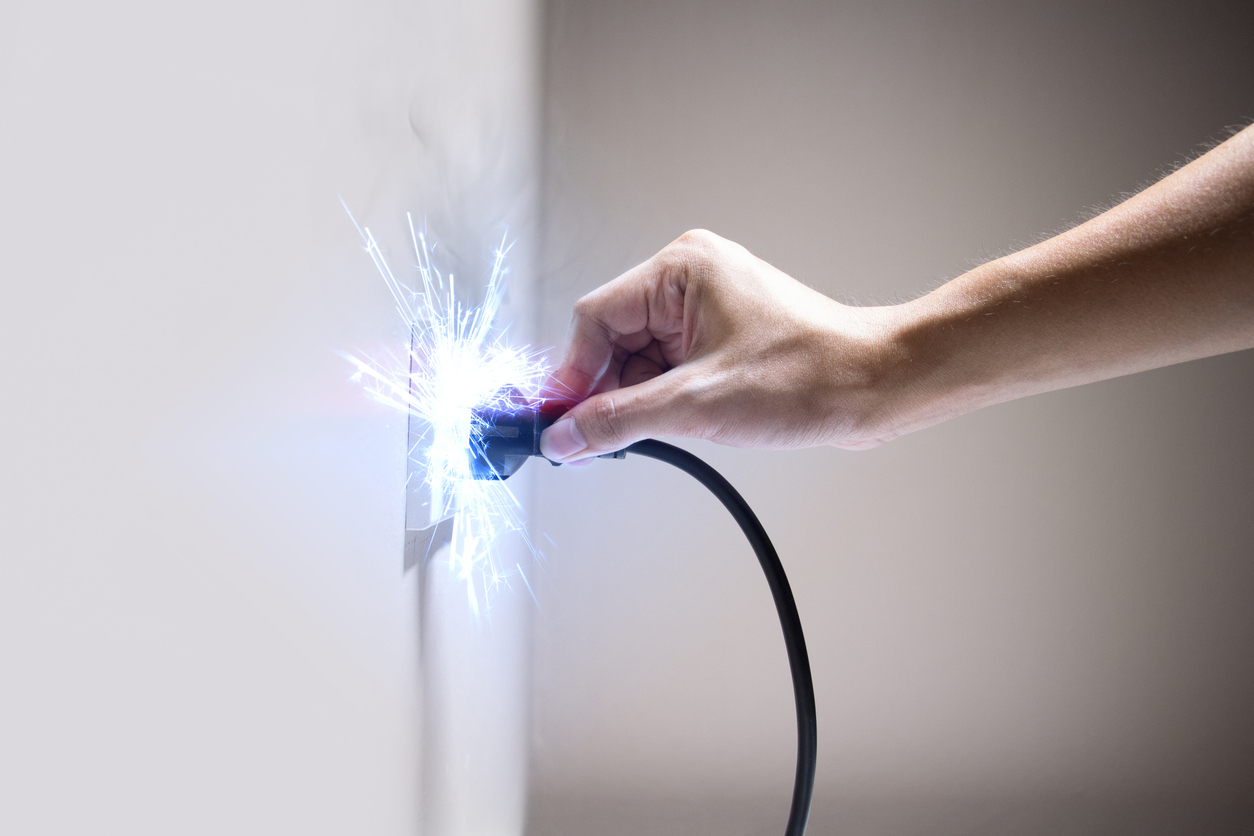
A windy Northwest Washington storm knocks out the power. A few minutes later, the lights come back on and everything seems fine. The moment power returns, though, it can send a voltage spike through your home’s electrical system and into everything connected to it.
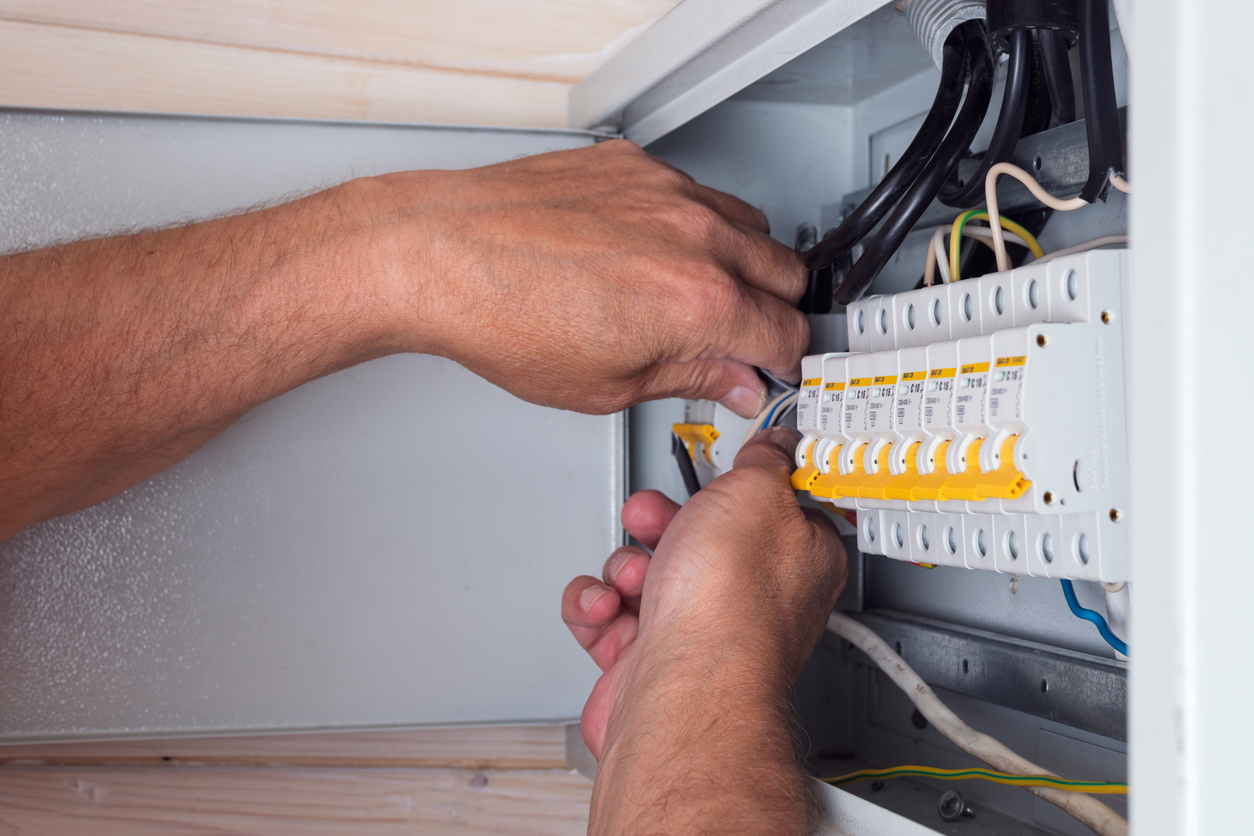
So, how does a whole home surge protector work? It’s installed at or near your electrical panel, where it responds to voltage that rises above normal levels and diverts the excess energy before it travels through your home’s wiring. Our team at Rhema Electric installs whole home surge protection across Northwest Washington.
Whole Home Surge Protection at a Glance
- Installs at or near your electrical panel, so it protects the whole electrical system from one central point.
- Diverts excess voltage to your home’s grounding system when a spike passes its clamping threshold.
- Covers hardwired equipment like HVAC systems and water heaters, which plug-in surge protectors can’t reach.
- Is required by Washington code on new and replaced home electrical services.
- Works best when paired with point-of-use surge protectors for sensitive electronics.
What Is a Whole Home Surge Protector?
A whole home surge protector is a surge protective device, or SPD, wired into your home’s electrical service. Because it sits where power enters the home, it covers nearly everything downstream, including appliances, HVAC equipment, water heaters, lighting, and hardwired electronics.
The Electrical Safety Foundation International (ESFI) describes two main types of whole home SPDs. Type 1 devices can be installed inside or outside the home, including at the service entrance. Type 2 devices mount in or next to the breaker box. Your electrician will recommend the type that fits your panel and service.
What a Whole Home Surge Protector Does During a Surge
Most of the time, a whole home surge protector sits idle while electricity flows through your home as usual. Each unit has a clamping voltage, which is the threshold where it starts to respond.
When a spike pushes voltage past that threshold, the device reacts almost instantly and diverts the excess energy into your home’s grounding system. The spike gets cut down at the panel before it reaches your branch circuits and the equipment on them. That clamp-and-divert action is how whole home surge protectors work, whether the spike comes from a storm or a large appliance in your own home. It’s also why a solid grounding system matters for the device to perform as rated.
Circuit breakers handle a different problem. A breaker trips when a circuit carries too much current or develops a fault, and our guide to tripped circuit breakers explains what those trips can mean. Surges are brief overvoltage events, and a surge protector is built to respond to them, so the two devices work side by side in your panel.
Common Causes of Power Surges
ESFI estimates that about 80% of power surges start inside the home. Common internal sources include:
- Large appliances cycling on and off
- Faulty wiring or loose connections
- Overloaded circuits, short circuits, or ground faults
- Power returning after an outage
External surges come from lightning, damaged power lines, and utility grid switching. Some surges cause damage right away. Smaller, repeated surges wear down electronic components over time and can shorten the life of HVAC systems, water heaters, refrigerators, washers and dryers, and entertainment systems.
Whole Home Surge Protection vs. Power Strips
Plug-in surge protectors and whole home surge protectors both limit voltage spikes. Where each one sits determines what it protects. A plug-in unit covers only the devices plugged into it. A whole home SPD works at the electrical service and covers equipment throughout the house, including hardwired systems like your furnace, heat pump, and water heater.
It’s also worth checking what you already own. Plenty of power strips add outlets without any surge protection. A true surge protector lists a joule rating and carries a UL 1449 listing, the safety standard for surge protective devices. UL’s guide to power strips and surge protectors explains how to tell the two apart.
For computers, TVs, gaming systems, and home office equipment, we recommend layered protection: a panel-mounted SPD plus quality point-of-use surge protectors. ESFI also recommends combining device types for the best level of protection.
Storm Season and Surge Risk in Northwest Washington
Fall and winter bring the wettest, windiest weather of the year to Western Washington. Those strong winds can bring down trees and power lines and cause outages. Every outage ends with power being restored, which ESFI lists among the common sources of surges.
If your home loses power often during storms, a backup generator keeps essentials running. Our comparison of portable vs. standby generators covers which option holds up best long term, and our guide to what to do when your backup generator won’t start helps you troubleshoot before the next outage.
When Washington Code Requires Surge Protection
Surge protection is part of the electrical code for Washington homes. The National Electrical Code, adopted by L&I under WAC 296-46B, requires a surge protective device on new and replaced electrical services that supply homes.
That means a main panel replacement or service upgrade includes surge protection as part of the job. L&I has listed missing surge protective devices among the most frequent violations its electrical inspectors find. Our guide to electrical panel replacement costs in Washington covers what else goes into a panel upgrade.
Are Whole Home Surge Protectors Worth It?
For most homes, yes. Refrigerators, HVAC systems, washers, TVs, routers, and smart-home devices all run on electronic control boards. Many of the appliances that use the most electricity in your home are also the most expensive to repair or replace, and one panel-mounted device protects all of them at once.
How Well They Work
Do whole home surge protectors work? For the surges most homes experience, they do. They limit common voltage spikes from outages, utility switching, and large appliances before those spikes travel through your wiring.
A direct lightning strike carries more energy than a single surge protective device can handle, so that level of defense requires a full lightning protection system. For everyday surges, pairing panel protection with point-of-use protection for sensitive electronics gives your home the most complete coverage.
How Long a Whole Home Surge Protector Lasts
There’s no single lifespan. Each surge a device absorbs wears down its internal components, so a home that sees frequent surges uses up protection faster. Many units include status indicator lights that show whether protection is still active. Check yours after major storms, and follow the manufacturer’s replacement guidance once the indicator shows protection has been lost.
Give Surges Somewhere Else to Go
You cannot control every storm, outage, or voltage spike. You can put protection between those events and the electrical equipment your home depends on.
Protect Your Home Before the Next Storm With Rhema Electric in Western Washington
A whole home surge protector stops voltage spikes at the panel, before they reach your appliances, HVAC equipment, and electronics. Paired with quality plug-in protection for sensitive devices, it covers the surges your home faces during storm season and year-round.
Rhema Electric has served Burlington and nearby communities since 2005. Call 360-416-8227 or contact us to schedule whole home surge protection installation.
Related Posts