Smoke Detector Beeps, Chirps, and Blinking Lights Explained
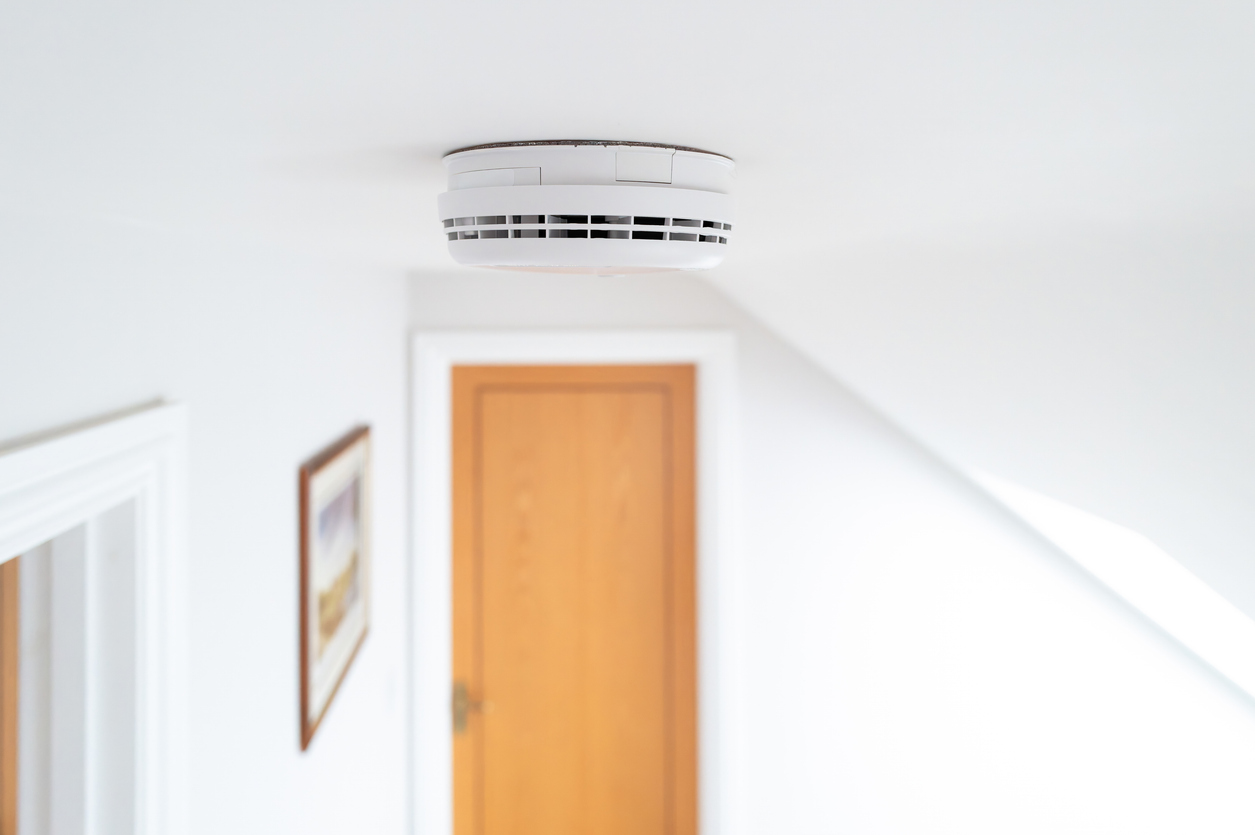
One sharp chirp every minute is very different from a smoke alarm going off at full volume. A steady chirp often points to a battery, age, or fault issue. A repeating full alarm may mean smoke has been detected and should be treated seriously.
If you’re asking yourself, “Why is my smoke detector beeping?” listen to the pattern first. Then check the lights, age of the unit, and whether it runs on batteries or is hardwired into your home’s electrical system.
At Rhema Electric, we install and replace hardwired and interconnected smoke alarms across Burlington and Northwest Washington and check the wiring, placement, and operation during installation.
Smoke Detector Troubleshooting at a Glance
- A loud repeating alarm should be treated as a possible fire until you know otherwise.
- One chirp every 30 to 60 seconds often points to a weak battery, fault, or end-of-life warning.
- Beeping after a new battery can mean the battery isn’t seated correctly, the alarm needs a reset, or the unit needs replacement.
- Red and green lights mean different things on different models, so check the manufacturer’s guide.
- According U.S. Fire Administration, to Smoke alarms should generally be replaced 10 years after their manufacture date.
How to Figure Out Why Your Smoke Detector Is Beeping
Start by asking one question: Is this a full alarm or a quick chirp?
A fire alarm commonly uses a loud repeating pattern rather than one small chirp every minute. If the detector is sounding loudly and you don’t know why, check for smoke or fire first. Don’t assume it’s a bad battery and start troubleshooting while there may be a real emergency.
If there is smoke, fire, or any reason to think there may be danger, get everyone out and call emergency services.
A short chirp every 30 to 60 seconds usually points to something different. Depending on the model, common causes include a low battery, a loose battery, the end of unit life, an internal fault, or a power issue on a hardwired alarm. Kidde notes that chirp patterns differ by model, which is why the manual for your exact unit matters.
What if the Alarm Goes Off but There Is No Fire?
Cooking smoke, steam, dust, and other particles can sometimes trigger a nuisance alarm.
Don’t solve that by taking the battery out.
The U.S. Fire Administration recommends using the alarm’s hush button, opening a window or door, and clearing the air instead. Removing the battery can leave the home without working protection later.
Why Your Smoke Detector Is Chirping Every Minute
If your smoke detector is beeping every minute, it usually needs attention, but it may not be signaling a fire.
A chirp around every 30 to 60 seconds can mean:
- The battery is getting weak.
- The battery isn’t seated correctly.
- The alarm has reached the end of its life.
- The sensor has a fault.
- A hardwired unit has lost normal power.
The exact pattern matters. For example, Kidde says some combination alarms chirp every 60 seconds when battery power is too low and every 30 seconds for certain end-of-life or sensor faults. Another brand may use a different pattern.
Why Do Smoke Detectors Seem to Chirp at Night?
It can feel like smoke detectors wait until everyone is asleep to start chirping.
A weak battery can become more noticeable as the house cools overnight. The battery voltage may dip enough to trigger the detector’s low-battery warning.
It is annoying, yes. But the chirp is doing its job. Replace the battery with the correct type listed by the manufacturer rather than ignoring the sound until morning.
Why Are All My Smoke Detectors Beeping at Once?
If your alarms are interconnected, one detector can trigger all of them. First rule out smoke or fire. If there is no emergency, identify which unit started the alarm if possible and follow that model’s troubleshooting instructions.
Why Your Smoke Detector Is Beeping After a Battery Change
A fresh battery doesn’t fix every chirping problem.
If your smoke detector is beeping after a battery change, start by checking that you installed the correct battery and pushed it fully into place. Make sure the battery drawer or cover closes properly, too.
Then check the date on the detector.
If the unit is around 10 years old, the chirp may be telling you the entire alarm has reached the end of its service life. USFA recommends replacing smoke alarms 10 years after the manufacture date.
A hardwired alarm may also have another problem. It can run on house power while using a battery only as backup, so swapping the battery won’t fix a wiring or power issue.
What Can You Safely Check Yourself?
Keep it simple.
Check the battery, look for the manufacture date, press the test button, and follow the reset steps in your alarm’s manual if the manufacturer provides them.
These are the kinds of basic checks homeowners can handle without touching permanent wiring. We take a similar approach in our guide to basic electrical repairs you may be able to handle yourself, while recommending professional help when the problem moves beyond a simple fix.
Don’t disconnect hardwired smoke alarms or start changing electrical connections if you are unsure what you’re working with.
What a Blinking Green Light on a Smoke Detector Means
A green light often has something to do with normal power or operation, especially on a hardwired alarm.
But don’t treat that as a rule for every detector.
For example, some Kidde hardwired models show a steady green light when AC power is present, while other models may blink green every 60 seconds during normal operation.
So if you’re seeing a smoke detector blinking green light, check the manual for the model installed in your home.
What if the Green Light Suddenly Goes Out?
If the manual says the green light shows AC power and it disappears, the alarm may have lost house power.
Possible causes include a tripped breaker, an electrical connection problem, or a failed detector.
A backup battery may keep the alarm working for a while, but it shouldn’t be used as a reason to ignore lost power on a hardwired unit.
What a Blinking Red Light on a Smoke Detector Means
A smoke detector’s red light blinking doesn’t always mean the same thing.
On one unit, red may mean smoke has been detected. On another model, it may indicate that the alarm went off earlier. Some detectors also flash red during normal standby or testing.
Kidde’s own products show how much the meaning can change. Its smart alarms use red for a detected hazard, while other models may use a red flash for alarm memory, low battery, or normal status.
How to Determine What the Red Light Means
Find the model number on your alarm and check its instructions.
Match the light pattern with the sound pattern. A red flash every minute with no sound may mean something very different from a fast red flash during a loud alarm.
Color alone isn’t enough.
When a Smoke Detector Needs to Be Replaced
If your smoke alarm is about 10 years old, replacement often makes more sense than trying to chase another chirp.
USFA recommends replacing smoke alarms 10 years after the manufacture date, even when they still appear to work.
At Rhema Electric, we recommend replacing smoke alarms around the 8- to 10-year mark. Frequent chirping, yellowed plastic, or a unit that doesn’t respond during testing can also be signs that it’s time for a replacement.
Consider replacing the unit if:
- It has reached the manufacturer’s age limit.
- It fails when you press the test button.
- Chirping continues after a proper battery change and reset.
- The detector shows an end-of-life or fault warning.
- The case or unit is damaged.
- You can’t tell how old the alarm is and it appears outdated.
Can You Replace the Battery in a Sealed 10-Year Alarm?
Usually, no.
A 10-year sealed alarm is designed for a built-in battery that lasts for the life of the unit. When that battery or detector reaches the end of its life, replace the entire alarm.
Don’t try to pry open the detector to replace a battery that was never meant to be serviced.
When Beeping Points to a Wiring Problem
Battery problems are common, but hardwired smoke alarms can act up when there’s a problem with the electrical connection, too.
Pay attention if the alarm loses the power light it normally shows, several interconnected units start behaving strangely at the same time, or chirping starts after an outage or electrical work.
Another clue is when changing the battery and resetting the unit does nothing.
When to Call an Electrician for a Smoke Detector Issue
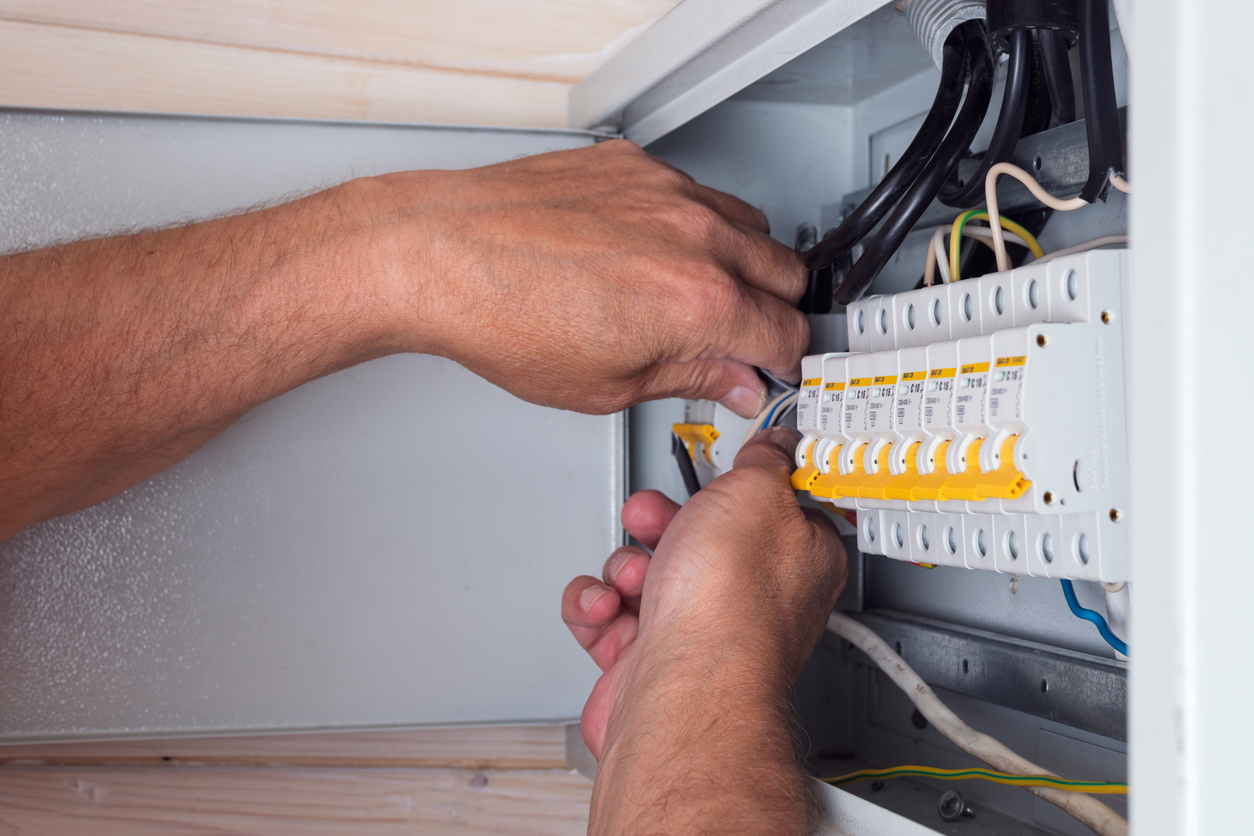
Call an electrician when the issue involves permanent wiring, lost AC power, hardwired detector replacement, or alarms that are supposed to be interconnected but aren’t communicating properly.
At Rhema Electric, we install and replace hardwired and interconnected smoke alarms and check the circuits, placement, connections, and final operation.
That’s especially useful when you’re replacing several older alarms at once or updating the home during a remodel.
Washington’s Smoke Alarm Requirements
Washington’s residential code sets clear rules for where smoke alarms belong.
Under the current state residential code, smoke alarms are required:
- In each sleeping room
- Outside each separate sleeping area near the bedrooms
- On each additional story, including basements and habitable attics
The code also includes extra placement rules for some layouts and requires alarms to meet applicable listing standards.
Do Washington Smoke Alarms Have to Be Interconnected?
When more than one alarm is required within a dwelling, Washington code generally requires the alarms to be interconnected so that when one activates, the others sound as well.
Listed wireless alarms may be used to meet the interconnection requirement in certain situations. The code also includes exceptions for some existing systems.
Do Smoke Alarms Have to Be Hardwired in Washington?
For new construction served by commercial power, the code generally requires the alarms to receive primary power from the building wiring and have battery backup.
Existing homes can be different.
Washington allows battery-powered alarms in some alteration and repair situations, so it would be wrong to say every older home must immediately replace every battery detector with a hardwired model. The requirements depend on the home and the work being done.
How Often You Should Test Your Smoke Detectors
October’s Fire Prevention Month is a good excuse to check something most of us barely notice until it starts chirping at 2 a.m.
USFA recommends testing smoke alarms at least once a month using the test button and replacing alarms at about 10 years old.
Don’t use a match, candle, or other open flame to test one.
And while you’re doing a wider fall home check, you can also review our guide on what uses the most electricity in your home for a better look at the electrical equipment working in the background every day.
Listen to What Your Smoke Detector Is Telling You
That chirp may be irritating, but it usually has a reason.
Check the sound pattern, lights, battery, and age of the detector before deciding what to do next. Replace old or faulty alarms rather than silencing them, and get professional help when the problem involves hardwired power or interconnected units.
Get Your Smoke Detectors Working the Way They Should in Your Washington Home
Still dealing with chirping alarms or an older hardwired system? At Rhema Electric, we can check the wiring, replace outdated detectors, and make sure your interconnected alarms are installed and tested correctly.
Call 360-416-8227 or contact us for service in Burlington and Northwest Washington.
Related Posts