
Portable vs. Standby Generator: Which Makes Sense for Long-Term Reliability?
Western Washington wind and rain can drop branches on lines and cut power in a single gust. When that happens, a solid backup plan keeps food safe, key rooms lit, and your home more comfortable until the grid comes back.
For most homeowners, the choice is a portable generator or a permanently installed standby generator. Both help during an outage, but they offer very different levels of convenience and long-term reliability. A licensed electrician like Rhema Electric can look at your panel, gas source, and outage history and explain what each option would mean in your home, but let’s break down the basics.
How Portable vs Standby Generators Work
What each type of generator actually does during a storm.
Portable Generators For Targeted Backup
A portable generator is a compact engine that you set outside and start by hand. It runs on gasoline, propane, or diesel and powers a limited set of items through heavy-duty cords or a manual transfer switch.
Most families use portables to:
- Keep a refrigerator and freezer cold
- Run a few lights and outlets
- Charge phones and small devices
Portable units fit homes with occasional outages and a need for budget-friendly backup that can also travel. When you start looking for the best portable generator for your place, it helps to think about which essentials truly matter on outage days rather than chasing the biggest wattage number on the box.
Standby Generators For Automatic Protection
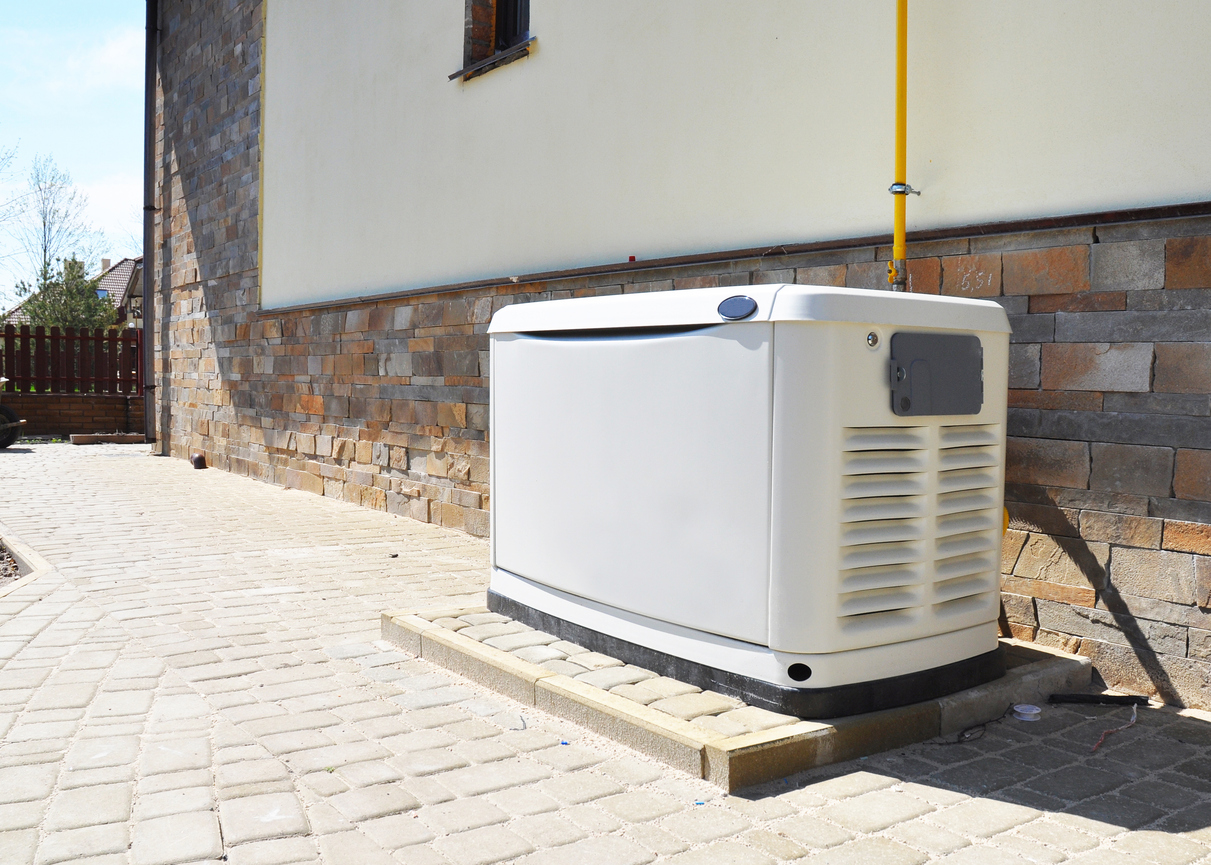
A standby generator is a permanent appliance on a small pad beside your home. It connects to your electrical panel through an automatic transfer switch and usually runs on natural gas or propane.
Key advantages include:
- Automatic start when utility power drops
- Power to selected circuits or the whole house
- No extension cords across floors
- Can easily be installed during panel upgrades or other electrical work
For most families, the best whole-house generator is the one that quietly matches the home’s panel size, gas supply, and must-have circuits instead of trying to power every single outlet at once.
Once everything is installed and tested, using the system is simple. You keep up with basic maintenance and let the equipment handle the rest.
Reliability Over The Long Term
Reliability shows up after years of windstorms and brief blips, not just on the first day you buy a generator. Portable generators depend on the homeowner for fuel rotation, test runs, and oil changes. If they sit forgotten in a corner, they are much more likely to fail on the night you need them most.
Standby generators follow a regular self-test schedule and usually include status lights or simple displays so an electrician can spot issues early. With routine maintenance, they are built to handle repeated outages with steady performance.
Safety With Portable vs Standby Generators
Safety is just as important as runtime. Both portable and standby generators can create hazards if they are used or installed the wrong way.
Portable Generator Safety
Because portable generators create carbon monoxide and use flammable fuel, placement and use matter every single time you start them.
Safer portable use usually looks like this:
- Run the generator outdoors in open air, away from doors and windows
- Never use a generator in a garage, carport, basement, or porch
- Keep the unit on a stable, level surface where exhaust can disperse
- Store fuel in approved containers and let the engine cool before refueling
Resources like Ready.gov and FEMA share simple portable generator safety checklists that match these best practices and are worth reviewing before storm season.
Standby Generator Safety
Standby generators connect directly to your electrical panel and often your gas piping, so safe operation starts with proper design and installation. A licensed electrician sizes the system, places the unit with correct clearances, installs a code compliant automatic transfer switch, and pulls the required permits.
That careful setup protects your family, utility workers, and your home every time the generator starts, and it gives you a documented system that will pass future inspections and insurance reviews.
Convenience During Real Outages
Convenience matters when the power fails at night.
With a portable generator, a typical outage looks like this:
- Move the unit outside to a safe spot
- Check fuel and oil, connect cords or a manual transfer switch
- Start the engine and manage which loads are plugged in
- Refuel and restart if the outage continues
With a standby generator, the routine is much simpler:
- Utility power drops, and the system senses the loss
- The automatic transfer switch shifts your selected circuits to generator power
- The generator starts and carries the load without anyone going outside
- Utility power returns, the system transfers back, and the generator cools down and shuts off
That quiet, automatic handoff is especially helpful in homes with medical equipment, remote work setups, or big freezers full of food that need steady power.
Fuel & Cost Considerations
Fuel and cost affect how each option fits into your everyday life and your long-term budget.
Portable generators usually run on gasoline. The purchase price is lower, but you take on more ongoing tasks:
- Fuel must be stored safely, labeled, and rotated
- Long outages mean frequent refueling trips
- Gas stations may also lose power during major storms
Standby generators typically connect to a natural gas line or to a dedicated propane tank. The investment is higher, but the experience is different:
- Upfront cost includes the unit, pad, gas work, transfer switch, and professional installation
- Fuel supply is steady for long outages without handling small cans
- Operation during an outage is mostly hands-off once the system is set up
- Ongoing maintenance follows a simple schedule with routine service visits
Choosing Backup Power For Your Home
Every home has its own mix of outage history, health needs, and budget.
A portable generator can make sense when:
- Outages are rare and usually short
- You mainly want to cover a few essentials
- You feel comfortable managing fuel, cords, and setup
A standby generator usually fits better when:
- Your neighborhood sees regular or multi-day outages
- Someone in the home relies on medical or mobility equipment
- You want an automatic system that keeps key parts of the home running with very little effort
Backup Generator Planning With Rhema Electric in Burlington, WA
Portable and standby generators both improve comfort and safety when the grid goes dark. Portable units offer flexible, lower-cost backup for a focused list of loads. Standby systems provide broader coverage, smoother operation, and a calmer experience when storms roll through.
To support different homes and budgets, Rhema Electric partners with established brands including Honeywell, Cummins, Kohler, and Generac. We can help you install anything from a smaller backup unit to a Generac whole-house generator and still feel confident in the hardware behind your plan.
Work With Rhema Electric for Safe, Reliable Generator Installation in Western Washington
Rhema Electric in Burlington helps homeowners compare portable and standby generator options, install transfer equipment, and maintain backup systems for long-term reliability. The team offers generator and backup power services alongside full residential electrical solutions and EV charger installations.
Reach out online or call the Rhema Electric office to schedule a generator consultation and build a backup power strategy that keeps your home comfortable, safe, and ready for the next outage.
Related Posts