Easy Energy Saving Tips That Actually Lower Your Energy Bill
Spring is a natural reset. You open the windows, clear out the clutter, and start fresh. It’s also one of the best times to take a closer look at how your home uses energy and make a few small changes that add up on your monthly power bill. The good news? You don’t need a major renovation to see results. A handful of smart, practical upgrades can make a real difference, and most of them are easier to tackle than you’d think.
At a Glance
- Phantom load (standby power) can account for 5–10% of your home’s total electricity use
- Smart power strips cut standby drain without any extra effort
- A programmable or smart thermostat is one of the highest-impact upgrades you can make
- LED lighting and energy-saving outlets are low-cost changes with long-term payoff
- Energy monitoring systems help you see exactly where your power is going
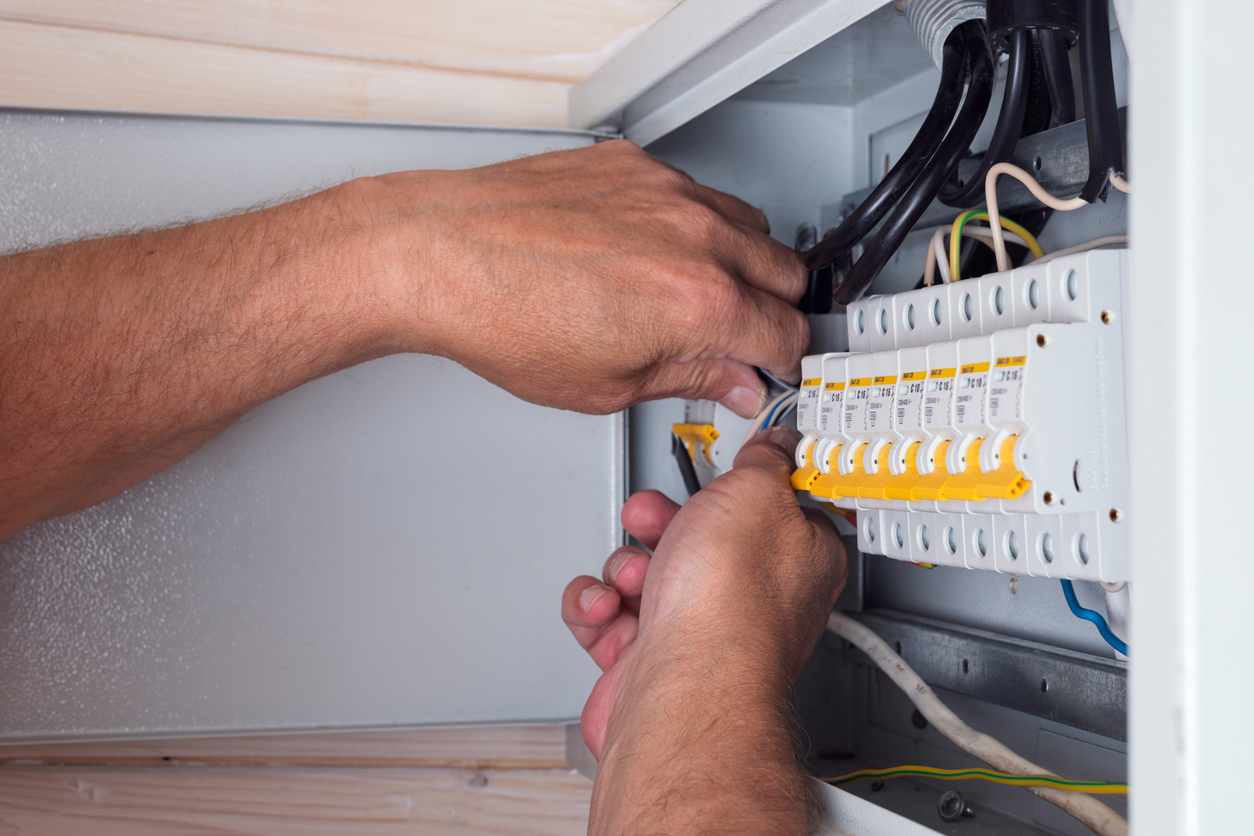
- Some upgrades will require a licensed electrician, and that’s worth doing right
Start With What You Can’t See
Before you swap a single bulb or adjust a single setting, it helps to understand one of the biggest hidden drains on your power bill: phantom load.
What Is Phantom Load?
Phantom load, also called standby power, is the electricity your devices consume when they’re plugged in but not actively in use. Standby power accounts for 5–10% of residential energy use. TVs, gaming consoles, phone chargers, microwaves with digital clocks—they’re all pulling power around the clock, even when you think they’re off.
The fix is straightforward:
- Smart power strips automatically cut power to devices when they go into standby mode, so you’re not paying for electricity you’re not using
- Unplugging chargers when they’re not connected to a device eliminates a small but constant draw
- Grouping devices on one strip (like your entertainment system) means you can cut power to all of them at once
This is one of the easiest places to start because it costs very little and requires no electrical work.
Upgrades That Make the Biggest Dent
Once you’ve handled the low-hanging fruit, a few targeted upgrades can push your savings further.
Smart Thermostats
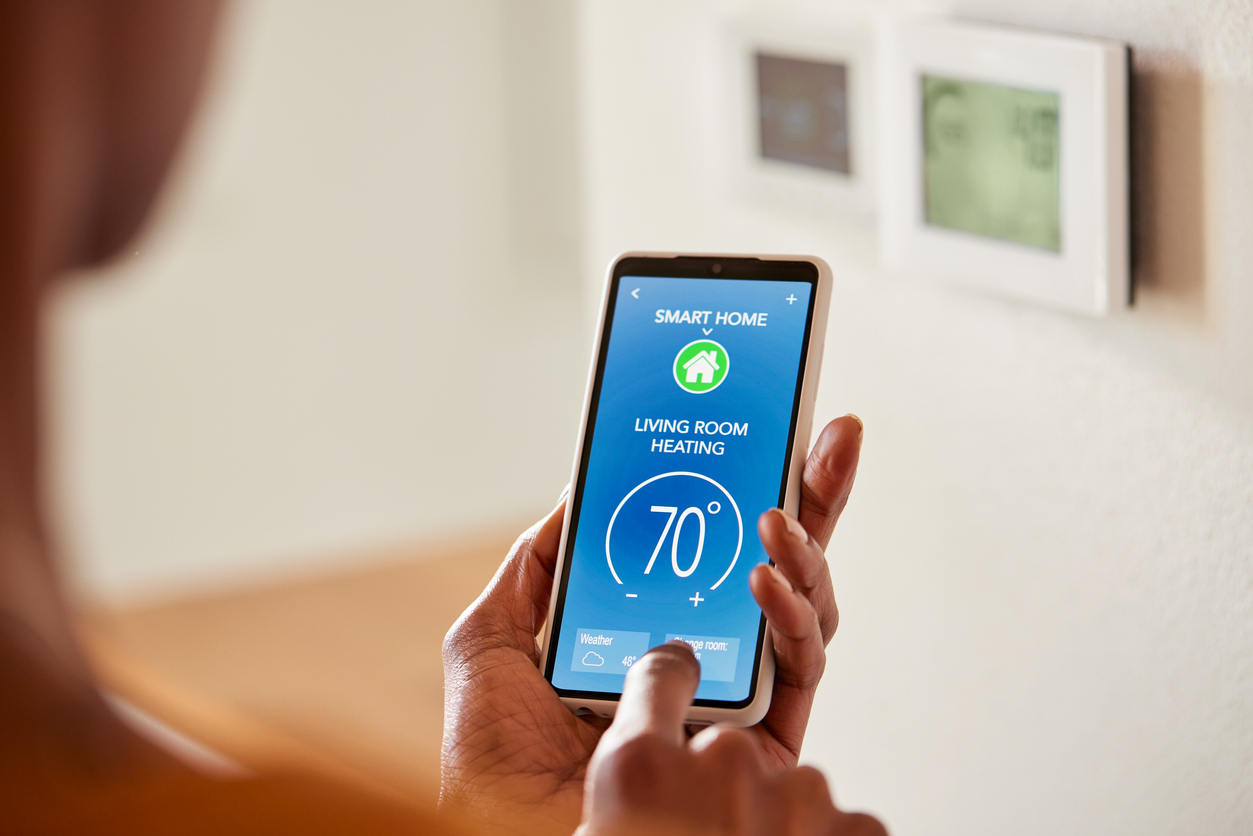
Heating and cooling are typically the largest line items on a home energy bill. A programmable or smart thermostat takes the guesswork out of temperature management by automatically adjusting to your schedule. Most models let you control settings from your phone, so you’re not heating or cooling an empty house.
- Smart thermostats learn your patterns over time and optimize on their own
- Many utility companies in Washington offer rebates for qualifying smart thermostat installations
- Installation is straightforward for most homes, but if your wiring is older or your system is more complex, a licensed electrician can confirm compatibility before you buy
Energy Saving Outlets & USB Outlets
Standard outlets don’t do much besides deliver power. Upgraded options give you more control:
- USB outlets eliminate the need for bulky adapters and reduce the number of chargers left plugged in and drawing phantom load
- Tamper-resistant outlets meet current safety code and are a smart upgrade if you have kids in the home
- Smart outlets let you schedule or remotely cut power to specific devices without a full smart home system
Outlet replacements are quick jobs for a licensed electrician and a worthwhile investment, especially in high-use areas like home offices, kitchens, and living rooms.
LED Lighting
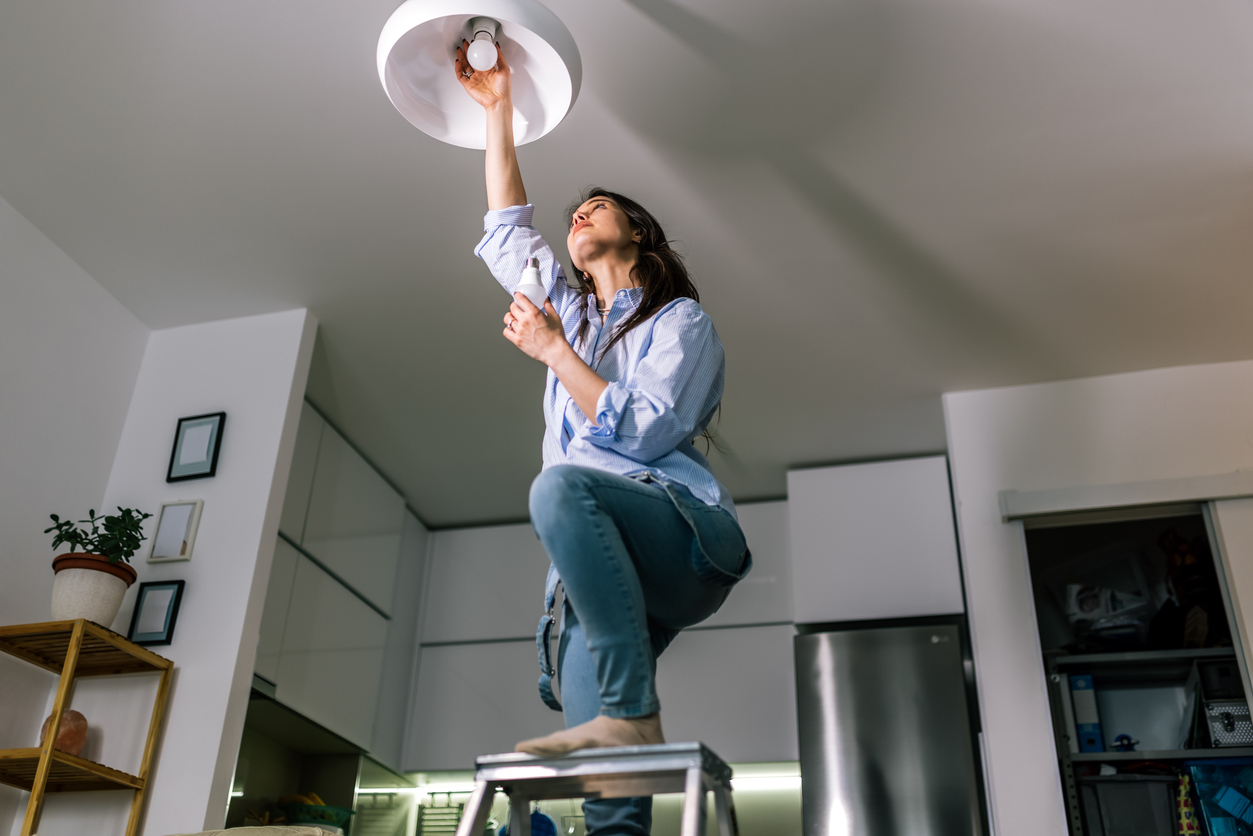
If you’re still running incandescent or older CFL bulbs anywhere in your home, switching to LEDs is one of the simplest energy-saving tips with the longest tail. LEDs use significantly less energy for the same brightness and last far longer, which means fewer replacements and a lower power bill over time.
- Swap high-use fixtures first: kitchen, living room, outdoor lighting
- Look for ENERGY STAR-certified bulbs for the best efficiency
- If you’re upgrading fixtures or adding new lighting circuits, that’s a job for a licensed electrician
Know Where Your Power Is Going
You can’t manage what you can’t measure. That’s where energy monitoring systems come in.
Power Consumption Monitors & Energy Monitoring Systems
A power consumption monitor—also called an energy monitoring system—shows you, in real time, how much electricity your home or individual devices are using. Some plug directly into an outlet so you can test specific appliances. Others connect to your electrical panel and give you a whole-home picture.
- Whole-home energy monitors can identify which circuits or appliances are the biggest draws
- Plug-in power monitors are inexpensive and great for checking individual devices
- Smart home platforms can integrate energy monitoring so everything is visible in one place
If you’re interested in a more comprehensive energy monitoring setup, Rhema Electric’s smart home services can help you figure out what makes sense for your home and how to set it up properly.
Small Changes, Real Savings
Spring is a good reminder that you don’t have to overhaul everything at once. Start with smart power strips and a thermostat adjustment. Swap out a few bulbs. Look into an outlet upgrade in the rooms you use most. Each step builds on the last, and over the course of a year, those changes show up on your bill.
When the work calls for a licensed electrician, whether that’s outlet replacements, new circuits, or a smart home upgrade, it’s worth doing it right the first time.
Ready to Make Your Western Washington Home More Energy Efficient?
Rhema Electric has been helping Western Washington homeowners save energy and money since 2005. Whether you need new outlets, a smart home upgrade, or an electrical system check-up, our team is licensed, trained, and ready to help.
Ask about our Safety & Savings Membership for priority scheduling, free inspections, and service discounts. Contact Rhema Electric in Burlington, WA to get started.
Related Posts