What Uses the Most Electricity in Your Home?
Your electric bill shows up. The number is higher than you expected. And you have no idea what caused it. That’s a frustrating spot to be in, and it’s one of the most common concerns homeowners ask about.
The good news is there’s usually a pretty clear answer. If you’re wondering what uses the most electricity in your home, it almost always comes back to a short list of appliances that run hard and often. Once you know what’s on that list, you’re in a much better position to do something about it.
In a place like Western Washington, where heating season stretches long, and a lot of homes were built before energy efficiency was a priority, getting familiar with your home’s power habits is genuinely worth the time.
At a Glance
- Heating and cooling systems are the single biggest electricity user in most homes
- Water heaters, dryers, and refrigerators round out the top draws
- Phantom load, the power your devices use while plugged in but off, quietly adds up
- Simple changes like LED lighting and smart thermostats can reduce your bill without major upgrades
- Some energy-saving upgrades, like panel work, EV charger installs, and new circuits, require a licensed electrician
The Biggest Electricity Users in Most Homes
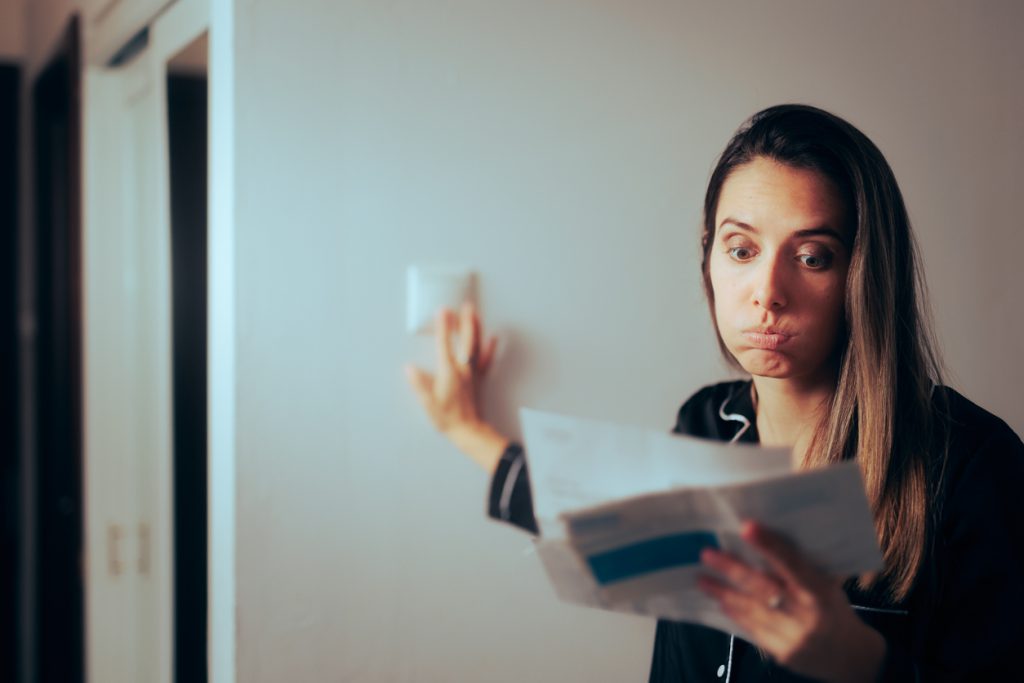
Some appliances sip power. Others gulp it. Knowing the difference helps you focus your energy (and your budget) in the right places.
A quick note on how electricity use is measured: appliances are rated in watts, which tells you how much power they pull at any given moment. Over time, that adds up to kilowatt-hours (kWh), which is what shows up on your bill. The higher the wattage and the longer the runtime, the bigger the impact.
There’s also something called phantom load, or standby power. That’s the electricity your devices draw even when they’re turned off but still plugged in. TVs, gaming consoles, and phone chargers all do this. It adds up quietly.
Heating & Cooling
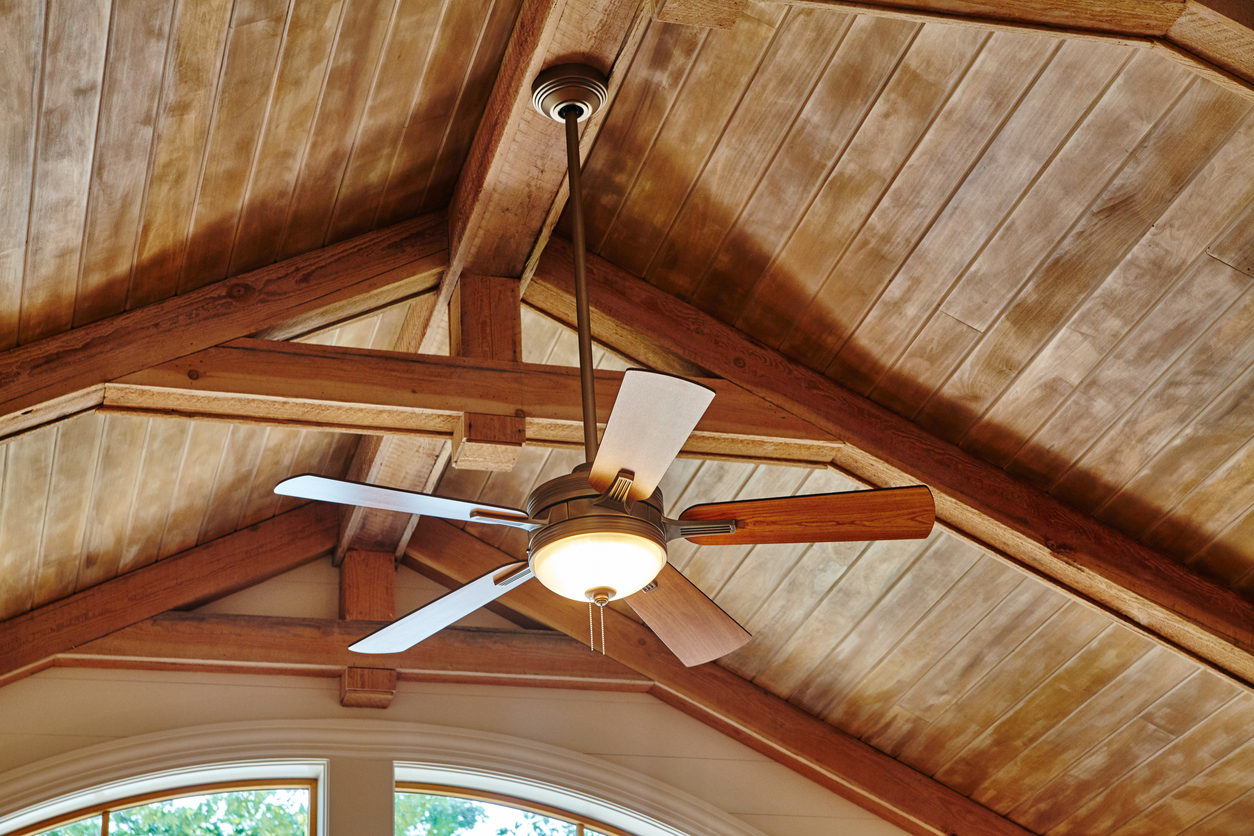
Your HVAC system is almost always the top electricity user in a home. Central air conditioning can pull anywhere from 1,000 to 5,000 watts while running. A ceiling fan, by comparison, uses around 50 to 100 watts. That gap is significant, especially during a warm Western Washington summer or a cold stretch in January.
Electric furnaces and heat pumps are also major contributors. Heat pumps have become increasingly popular in the Pacific Northwest, and while they’re efficient, they still draw real power during peak heating and cooling periods.
Water Heating
Electric water heaters are typically the second-largest electricity user in a home. A standard electric tank heater runs between 4,000 and 5,500 watts when the heating element is active. If you have a large household or an older unit that’s losing efficiency, this can quietly drive up your bill every month.
Laundry & Kitchen Appliances
These mid-tier users add up faster than most people expect:
- Electric dryers use around 4,000 to 6,000 watts per cycle
- Electric ranges and ovens pull similar wattage during active use
- Refrigerators run continuously, usually between 100 and 400 watts, making the 24/7 runtime the real cost driver
- Dishwashers, microwaves, and coffee makers contribute less overall but are worth watching if you’re trimming costs
Lighting
Lighting used to be a major electricity cost. LED bulbs have changed that significantly. A standard LED bulb uses around 8 to 10 watts compared to 60 watts for an older incandescent. If your home still has older bulbs throughout, switching to LEDs is one of the easiest ways to lower your bill.
Electronics & Standby Power
TVs, streaming devices, game consoles, computers, and phone chargers all contribute to standby power. Individually, each one seems small. Across an entire home running multiple devices, the total can add up to 5 to 10 percent of your electric bill. Unplugging devices you’re not using, or using a smart power strip, can help reduce this.
How to Save on Your Electric Bill Without Sacrificing Comfort
You don’t need to live in the dark or avoid doing laundry. A few targeted changes make the biggest difference.
How to Save Electricity on Heating & Cooling
Your HVAC system is the biggest lever you have. These steps help you pull it without giving up comfort:
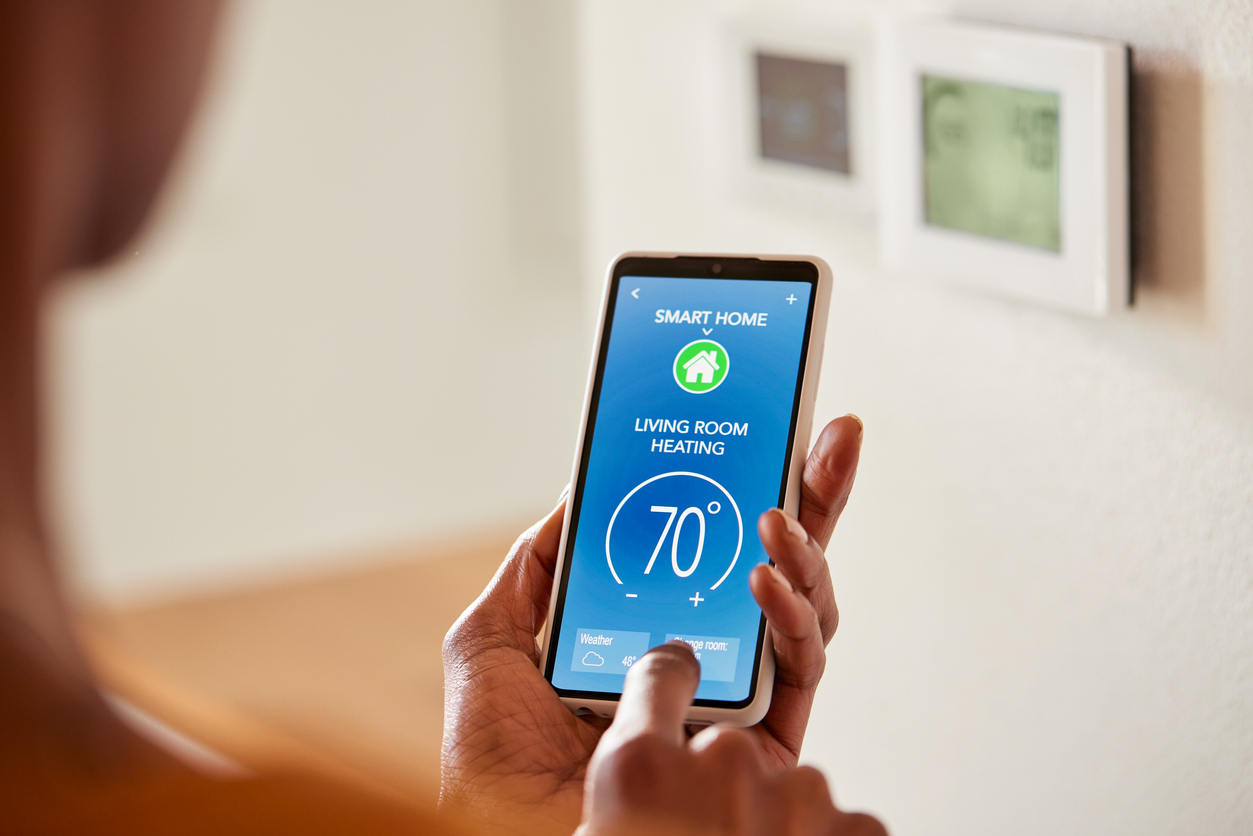
- Install a programmable or smart thermostat to reduce HVAC runtime without sacrificing comfort
- Set temperatures back during overnight hours and when the house is empty
- Smart home upgrades like automated lighting and climate controls can pay for themselves over time.
What Reduces Your Water Heater’s Energy Use
A few small adjustments to how your water heater runs can shave real dollars off your monthly bill:
- Lower the temperature to 120 degrees Fahrenheit, a safe and comfortable setting that reduces the energy needed to keep the tank hot
- If your unit is over 10 years old, schedule a replacement evaluation before efficiency drops further
Simple Ways to Cut Electricity Use on Laundry
Laundry habits can have a bigger impact on your bill than most people realize. These two changes help immediately:
- Run full loads and use cold water settings when possible to reduce both water heating and dryer energy use
- Clean your dryer’s lint trap and vent regularly so it runs efficiently and safely
Tricks to Lower Energy Consumption From Lighting & Electronics
Small changes across lighting and devices add up quickly when applied consistently throughout the home:
- Swap any remaining incandescent or CFL bulbs to LEDs
- Add occupancy sensors or timers in rooms that tend to stay lit when empty
- Use smart power strips to cut standby power to entertainment centers and home office setups
Electrical Upgrades That Reduce Your Energy Bill Long-Term
Some of the biggest savings come from upgrades that improve how your home handles power at the source:
- If you have an outdated or undersized panel, a panel upgrade helps high-draw appliances like heat pumps and EV chargers run the way they’re supposed to, which pays off in long-term energy performance
- Solar and battery storage are worth exploring if you want to reduce long-term dependence on the grid and stabilize your energy costs
Worried about the cost? Washington State’s Energy Efficiency Grant Program offers funding for energy-efficient home retrofits, and a lot of homeowners are surprised by what’s available to them.
A Simple Home Energy Checklist
Run through these to get a quick read on where your home stands:
- Check whether any older, inefficient appliances are still in regular use (refrigerators over 15 years old are a common culprit)
- Replace remaining incandescent or CFL bulbs with LEDs throughout the home
- Set your water heater to 120 degrees Fahrenheit if you haven’t already
- Unplug electronics and chargers when not in use, or use a smart power strip
- Look into a programmable or smart thermostat for better HVAC control
- Schedule a home electrical inspection to check panel capacity and wiring condition
- Ask about whole-home surge protection to safeguard appliances from power spikes
When It Makes Sense to Call an Electrician
Some energy-saving steps are straightforward DIY tasks. Others require a licensed electrician, and knowing the difference keeps your home safe.
1. Your Panel May Be at Capacity
Adding a heat pump, EV charger, or other high-draw appliance to a home with an older or undersized panel can create real safety risks. A licensed electrician can assess your current load and recommend the right solution.
Rhema Electric’s panel upgrade and troubleshooting services are a good starting point if you’re not sure where your panel stands.
2. Your Home Has Older Wiring
Homes in Western Washington built before the 1980s may have wiring that doesn’t meet current code. Older wiring can limit efficiency and create hazards. Signs to watch for include:
- Frequently tripping breakers
- Flickering or dimming lights
- Outlets that feel warm to the touch
- A panel with fuses instead of circuit breakers
An electrical inspection is the right first step.
3. You’re Adding Smart Home Devices or New Circuits
Some smart home upgrades, like EV chargers or dedicated circuits for home offices or appliances, require permitted electrical work. Pulling the right permits and doing the work to code protects you when you sell and keeps your home covered by insurance.
Rhema Electric has been serving Western Washington homeowners since 2005. Every job is held to a safety-first standard with proper permits and inspections, and the owner is directly involved in how work gets done. That kind of accountability is harder to find at a larger operation.
Knowing Where Your Power Goes Is the First Step to Spending Less
Most homeowners are surprised to learn how much of their electric bill comes down to just two or three sources. Heating and cooling alone can account for nearly half of what you pay each month. Fortunately, a major overhaul isn’t required to see real results. Small changes add up quickly, and when bigger upgrades make sense, knowing where to start makes all the difference.
Ready to Get a Clearer Look at Your Home’s Electrical Load?
If you’re in Burlington or anywhere across Western Washington, Rhema Electric can help. Whether that means an inspection, a panel evaluation, or talking through an upgrade, we’ll give you honest options and a clear plan.
And if you want ongoing support, our Safety & Savings Membership includes priority scheduling, free inspections, and discounts on services. It’s a practical way to stay ahead of electrical issues before they become expensive ones.
Reach out to Rhema Electric in Burlington, WA, today to get started.
Related Posts